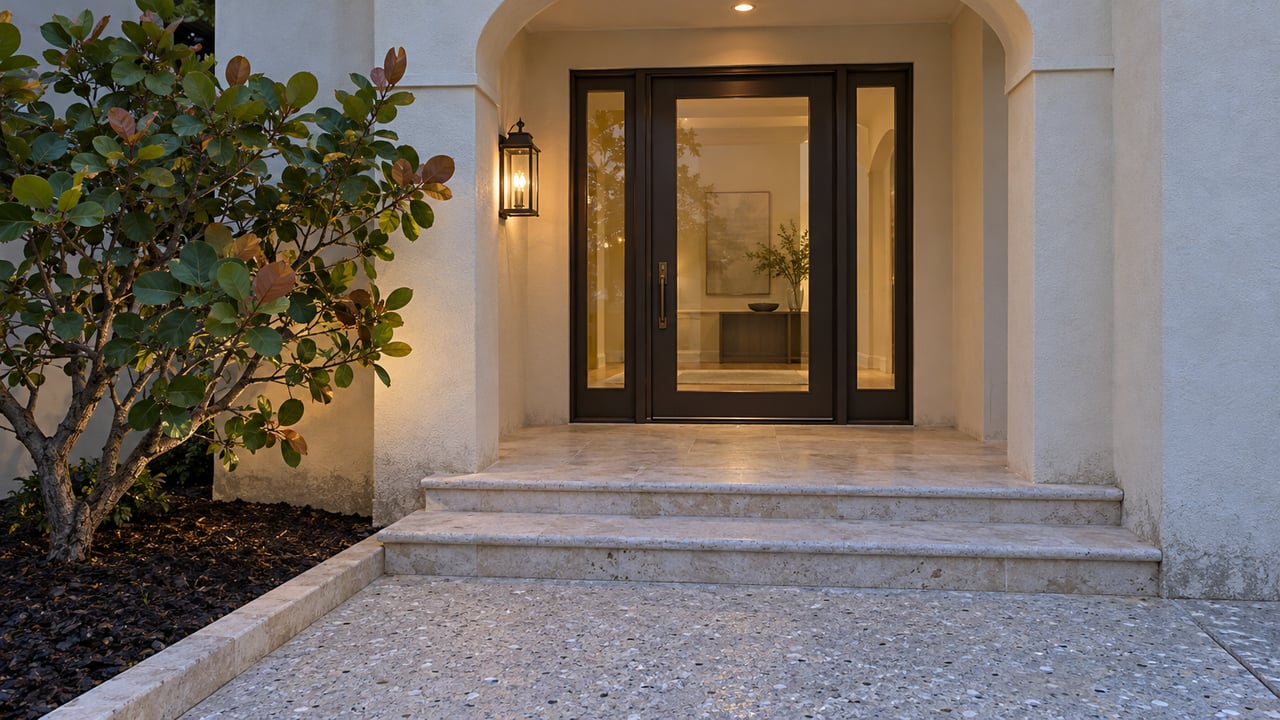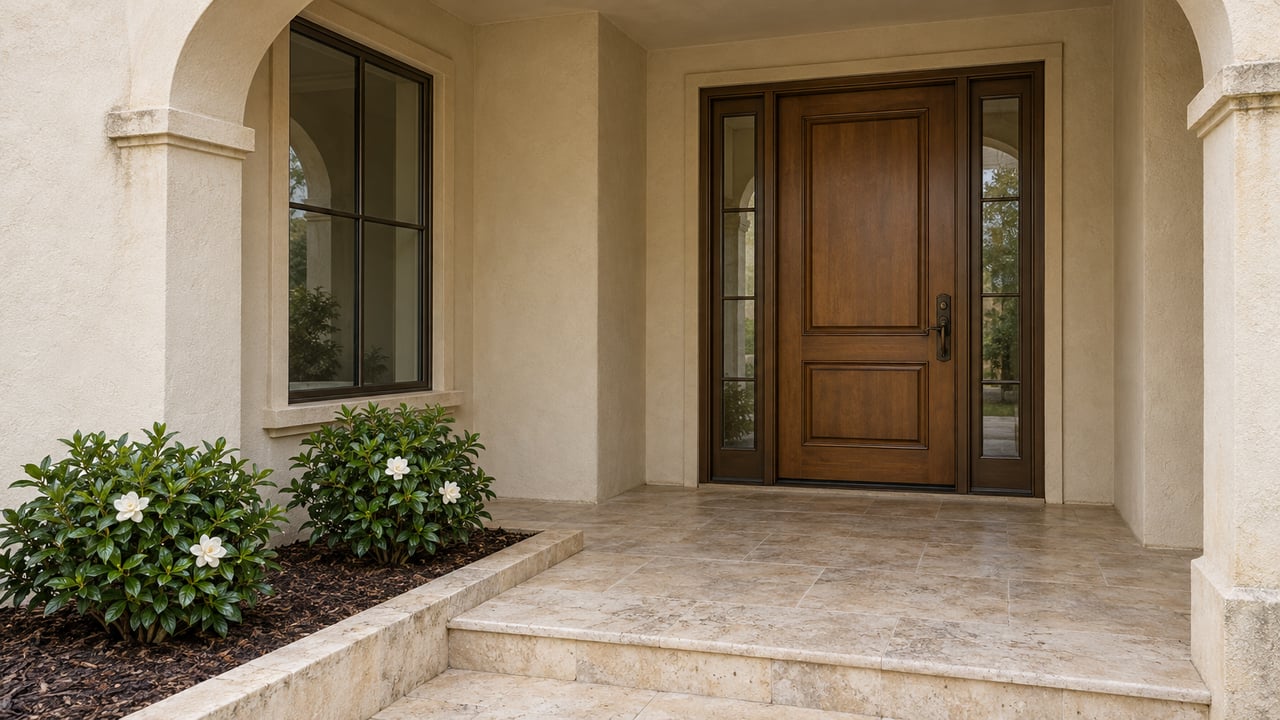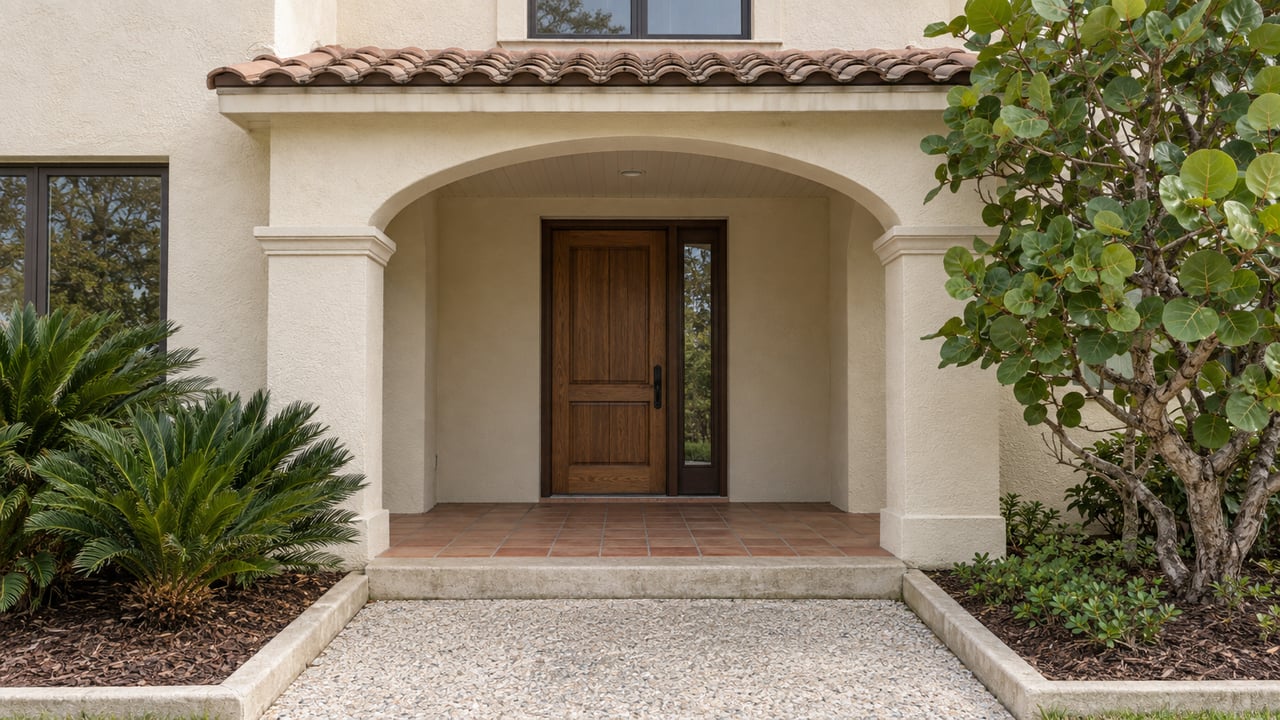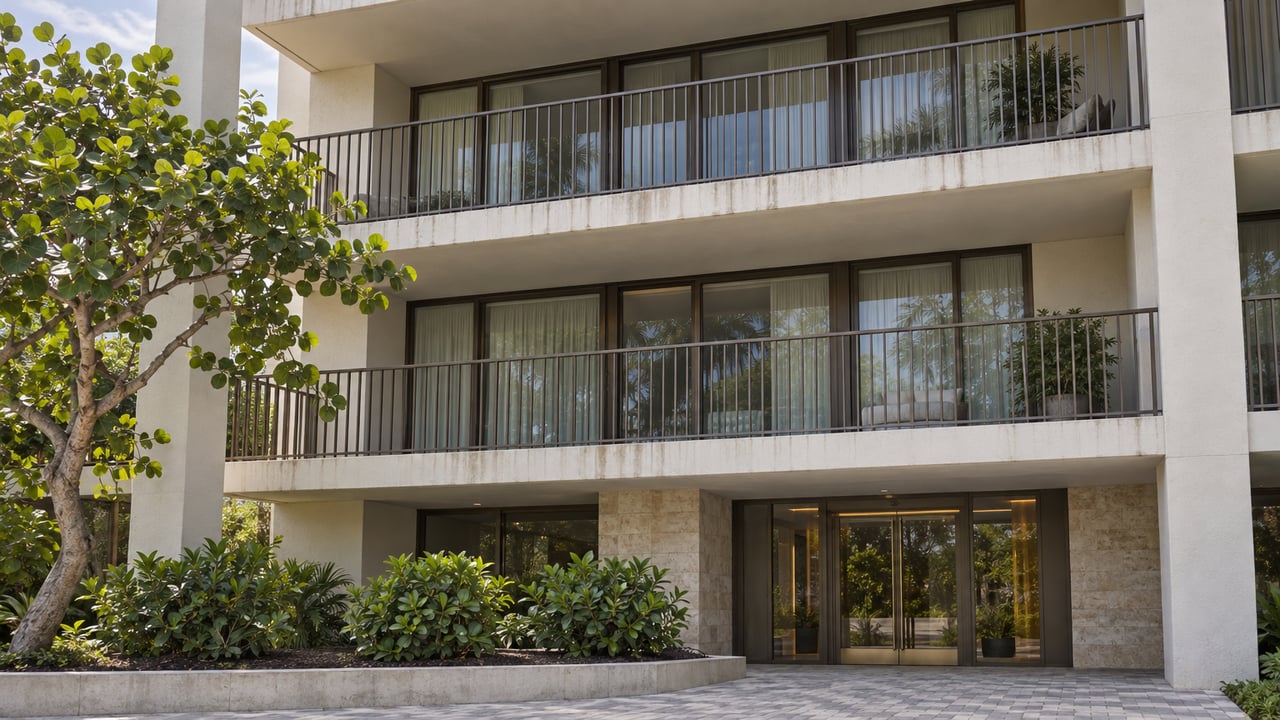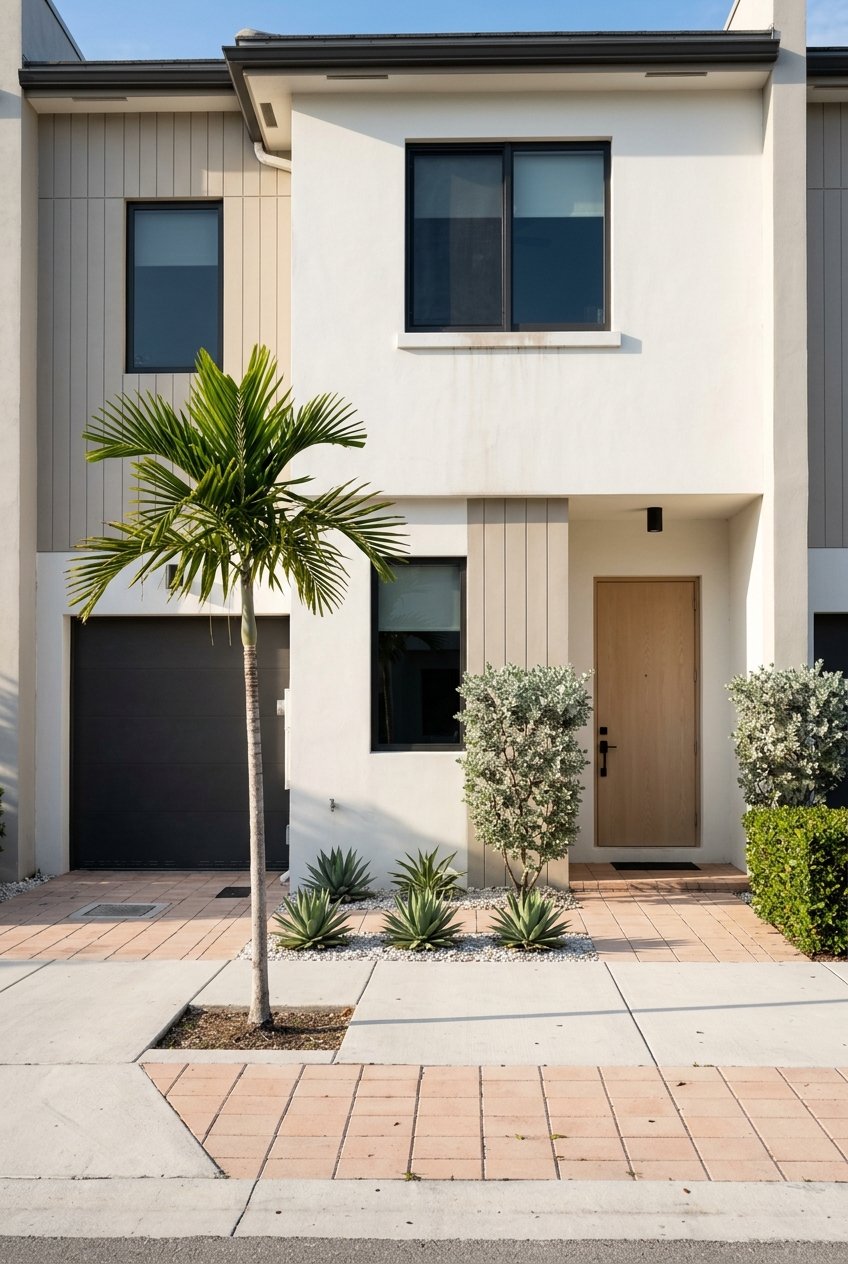
Trying to choose between a condo and a townhome in St. Petersburg? At first glance, they can seem almost identical, especially when both offer attached living, shared amenities, and a low-maintenance feel. The real difference often shows up in the fine print, not the curb appeal. If you want a clearer way to compare your options, this guide will walk you through ownership, fees, lifestyle, and local St. Pete factors so you can make a smarter decision. Let’s dive in.
Why the label can be misleading
In Florida, a condo is a specific legal form of ownership. You own your unit and also share ownership of the common elements with the other owners in the community.
A townhome, on the other hand, is often owned as a parcel within a homeowners' association. That means two attached homes in St. Petersburg can look very similar from the outside, but have very different rules about who handles the roof, exterior walls, landscaping, windows, or shared utilities.
This is why the word “townhome” or “condo” only tells you part of the story. To really compare the two, you need to look at the community’s declaration, budget, and assessment structure.
Ownership and maintenance compared
What condo ownership usually means
In a condo community, the association is generally responsible for maintaining the common elements. Depending on the declaration, that can include parts of the building or property you might otherwise expect to handle yourself.
That setup often appeals to buyers who want less direct responsibility for exterior upkeep. Still, you should confirm exactly what is covered, because limited common elements can sometimes be assigned to the unit owner.
What townhome ownership may mean
In many townhome communities, ownership is more parcel-based and governed by HOA documents. That can mean you own more of the structure and lot directly, but the exact split of responsibilities depends on the governing documents.
Some townhome associations may cover landscaping, exterior maintenance, or shared amenities. Others may leave more of those costs and tasks with you as the owner.
The key question to ask
If you are touring attached homes in St. Petersburg, one of the most important questions is simple: What exactly does the association maintain, and what stays with the owner? That answer matters more than the property label alone.
Fees and what they may include
Condo dues often cover more services
Condo common expenses in Florida can include operation, maintenance, repair, replacement, or protection of common elements and association property. They can also include items like security services, road maintenance, transportation services, and directors and officers insurance when those items benefit unit owners.
That helps explain why condo dues sometimes feel higher at first glance. In many cases, they are funding a broader package of services and shared responsibilities.
Townhome dues vary more by community
Townhome fee structures are often more document-driven. Under Florida HOA rules, assessments must be described in the governing documents and may be allocated based on the level of services received or other relevant factors.
So even if a townhome looks like the lower-fee option, that is not always true. A community with a gate, pool, clubhouse, landscaping package, or exterior maintenance program can still carry meaningful monthly dues and occasional special assessments.
Look beyond the monthly number
A lower monthly fee is not automatically a better deal. You will want to understand what is included, what is billed separately, and whether the association has strong reserves or a history of special assessments.
Condo rules that matter in Florida
Structural reviews and reserve studies
Florida now requires more formal structural review for many condo buildings. Residential condo associations must complete a structural integrity reserve study at least every 10 years for buildings that are three habitable stories or higher.
Milestone inspections are also required for buildings that are three habitable stories or more at 30 years of age, and then every 10 years after that. For buyers considering a condo in St. Petersburg, especially in older mid-rise or high-rise buildings, these records are important parts of due diligence.
Why this matters to you
These requirements can affect both budgeting and long-term planning in a condo community. If a building is older or subject to these rules, you should review available inspection information, reserve study timing, and any pending or recent special assessments early in the process.
St. Petersburg lifestyle differences
Where condos often make sense
Condo living often fits buyers who want a strong mix of shared services and urban convenience. In downtown St. Petersburg, the city’s transportation and parking map shows public garages, the Downtown Looper, the Central Avenue Trolley, and walkable mixed-use districts.
That helps explain why condos are common in the urban core and waterfront areas. If you want a more lock-and-leave lifestyle near downtown activity, a condo may align well with that goal.
Where townhomes can shine
Townhomes are not limited to lower-density areas. St. Petersburg has approved townhome development in downtown districts, and there are townhouse communities in other connected parts of the city as well.
A townhome may appeal to you if you want attached living with a bit more separation, direct entry, or a layout that feels more like a traditional home. Still, the best fit depends on the community rules, maintenance structure, and parking setup.
Parking can change the equation
In compact parts of St. Petersburg, parking matters a lot. Assigned spaces, guest parking, garage access, and whether parking is deeded or limited can make a big difference in your day-to-day experience.
This is true for both condos and townhomes. Two properties with similar square footage and price points may feel very different if one has secure assigned parking and the other has tighter guest access or fewer dedicated spaces.
Flood zones and evacuation planning
Pinellas County says everyone lives in a flood zone of some kind, and flood zones are different from evacuation zones. The county also notes that most homeowners policies do not cover flood damage, and flood insurance may be required for federally backed mortgages in high-risk flood zones.
That makes flood and evacuation due diligence important whether you buy a condo or a townhome in St. Petersburg. This is especially true in coastal or low-lying areas, where elevation, flood mapping, and evacuation planning can affect both cost and comfort level.
Where each option tends to appear
St. Petersburg’s planning pattern helps explain where you may see more condos versus townhomes. The city’s zoning map shows a dense downtown core, and the Downtown Waterfront Master Plan identifies the downtown waterfront as its own planning area stretching from P Avenue NE to the Salvador Dalí Museum at Bayshore Drive and Dali Boulevard SE.
Based on that pattern, it is reasonable to expect more condo product in the urban and waterfront core than in lower-density inland areas. At the same time, townhomes are also present in and near downtown, so it is best to search by location, ownership structure, and lifestyle needs rather than assumptions.
Questions to ask before you buy
As you compare St. Petersburg condos and townhomes, keep your questions focused on the items that most affect ownership costs and daily life.
- What does the declaration say the association maintains?
- What stays with the owner?
- What do the monthly dues include?
- What is billed separately?
- Are reserves fully funded?
- Are there any pending or recent special assessments?
- For condos, when was the last milestone inspection?
- For condos, when was the last structural integrity reserve study?
- How many parking spaces are deeded or assigned?
- Is guest parking available?
- Are flood zone, evacuation zone, and elevation certificate details available for the address?
- What rental, pet, and vehicle parking restrictions apply?
Which is better for you?
If your top priority is convenience and a more bundled maintenance setup, a condo may be the stronger fit. If you want attached living but prefer a structure that may feel closer to single-family ownership, a townhome could be worth a closer look.
In St. Petersburg, the smartest comparison is not condo versus townhome in the abstract. It is who maintains the exterior, how reserves are funded, what the parking looks like, and whether the property’s flood and evacuation profile fits your comfort level.
Buying attached property in Florida is easier when you have a clear picture of both the lifestyle and the documents behind it. If you want help comparing communities in St. Petersburg with a calm, detail-first approach, connect with Julia Wright to schedule a consultation.
FAQs
What is the main difference between a condo and a townhome in St. Petersburg?
- In Florida, a condo is a legal ownership form where you own a unit plus a share of common elements, while many townhomes are owned as parcels in an HOA with responsibilities defined by the governing documents.
Are condo fees higher than townhome fees in St. Petersburg?
- Sometimes, but not always. Condo dues often cover a broader set of shared services, while townhome dues depend heavily on what the HOA provides and how assessments are structured.
Do St. Petersburg townhomes always require less association involvement than condos?
- No. Some townhome communities have significant HOA services, dues, and rules, so you need to review the documents for the specific property.
What condo documents should buyers review in St. Petersburg?
- Buyers should review the declaration, budget, reserve information, special assessment history, and for qualifying buildings, milestone inspection and structural integrity reserve study information.
Why does parking matter when comparing St. Petersburg condos and townhomes?
- In denser parts of the city, assigned spaces, guest parking, garage access, and whether spaces are deeded can affect convenience and long-term satisfaction.
Should flood zones matter for both condos and townhomes in St. Petersburg?
- Yes. Pinellas County notes that everyone lives in a flood zone of some kind, and flood zones differ from evacuation zones, so both property types require location-specific flood due diligence.