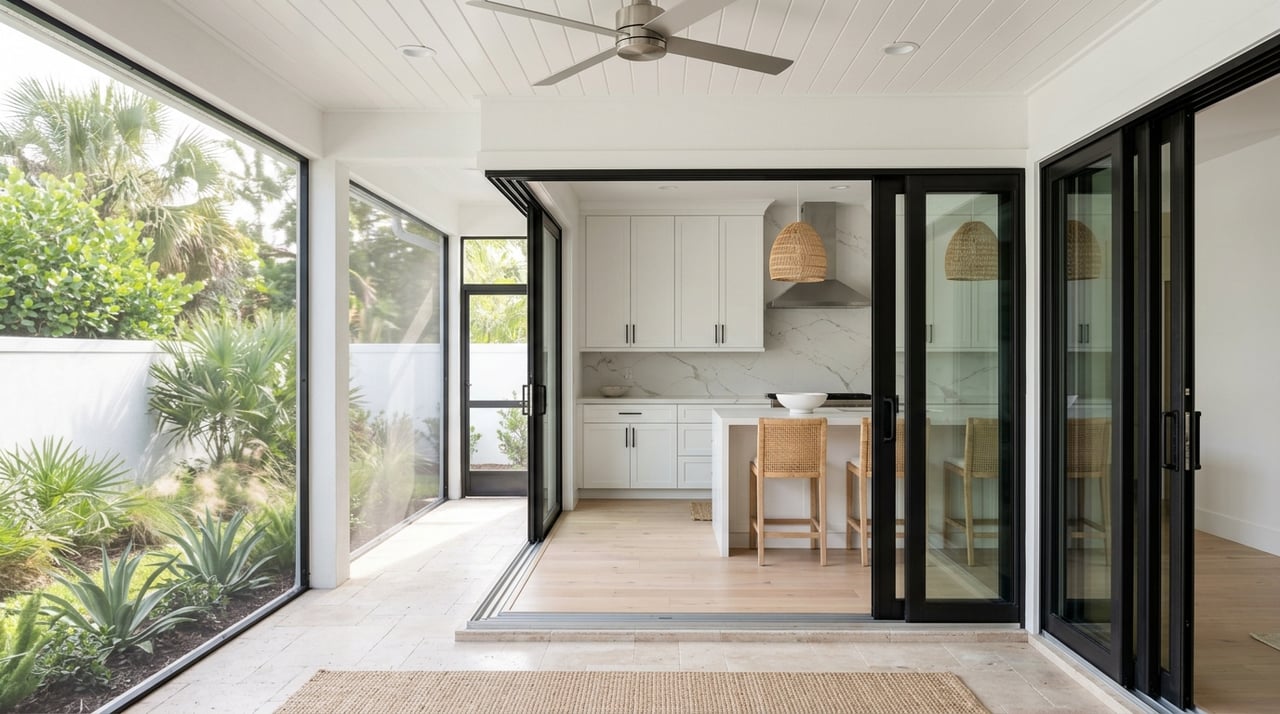
Wondering if a second home in Tarpon Springs is a smart move or a lifestyle splurge that needs a closer look? You are not alone. Many buyers are drawn to Tarpon Springs for its Gulf-side setting, historic character, and mix of property options, but a second-home purchase here works best when you look beyond the listing photos. In this guide, you will learn how to think about pricing, ownership costs, rental rules, flood zones, and long-term flexibility before you buy. Let’s dive in.
Why Tarpon Springs Stands Out
Tarpon Springs offers something you do not find in every Pinellas County market. The city is known for its Greek cultural identity, historic downtown, Sponge Docks area, and a mix of Victorian and Floridian architecture. The city also uses a Special Area Plan and SmartCode in key areas to help preserve historic character.
For you as a second-home buyer, that means the appeal is not just about having a place near the water. It is also about buying into a location with a distinct sense of place. That can support long-term enjoyment, but it also means you should understand local planning and design rules before you make a decision.
What the Market Looks Like
Tarpon Springs sits in a middle price range with real inventory to choose from. As of April 2026, Realtor.com reports 514 homes for sale, a median listing price of $412,450, a median sold price of $382,500, and 81 days on market. Zillow reports an average home value of $388,987, 384 homes for sale, and 52 days to pending in late April 2026.
The exact numbers differ because the sites use different methods, but the broader message is consistent. You are likely shopping in a market that gives you options, not one where every home disappears overnight. That can create room for comparison shopping, inspections, insurance review, and a more thoughtful offer strategy.
Best Property Types for Second Homes
Tarpon Springs offers a wide range of property types, including single-family homes, condos, townhomes, multifamily homes, manufactured or mobile homes, land, and new construction. Current inventory also highlights waterfront homes and properties with boat or RV parking, which shows how much lifestyle matters in this market.
Condos for Lower Maintenance
If you want a simpler ownership experience, a condo may be worth a close look. A condo can reduce some exterior maintenance responsibilities and may fit a lock-and-leave lifestyle better than a detached home.
That said, you still need to budget carefully. Condo dues can change your monthly carrying cost in a big way, so it is important to compare total ownership cost, not just purchase price.
Single-Family Homes for Flexibility
A single-family home may give you more privacy, more storage, and potentially more room for boating or outdoor living. This can be especially appealing if your second home is meant to feel like a true retreat rather than just a place to stay.
Single-family homes may also matter if you are thinking about future rental use. In Tarpon Springs, tourist homes must be single-family detached homes, which makes property type an early filter if short-term rental flexibility is part of your plan.
Historic Homes for Character
Tarpon Springs includes a local historic district, a National Register downtown district, and the Greektown traditional cultural property district. If you love older architecture and walkable historic areas, these homes can offer character that newer properties cannot replicate.
The tradeoff is that updates may be less straightforward. If a home is in a historic district or another regulated area, renovation plans may need review, which is something you want to confirm before you fall in love with the house.
Budget for the True Cost of Ownership
One of the biggest second-home mistakes is underestimating carrying costs. In Tarpon Springs, your monthly budget should include more than principal and interest.
You should also plan for:
- Property taxes
- Insurance
- HOA or condo dues, if applicable
- Utilities
- Landscaping
- Storm preparation
- Routine maintenance and repairs
Property Taxes on a Second Home
Pinellas County explains that property taxes depend on assessed value, millage, the taxing authorities on the TRIM notice, and any exemptions or caps. One mill equals $1 for every $1,000 of assessed value.
For many second-home buyers, the key issue is the homestead exemption. In Florida, that exemption generally does not apply to a second home because the property must be your permanent residence. Pinellas County also notes that the exemption ends if the property is sold, rented, or no longer used as a homestead.
Insurance and Flood Costs Matter
Flood risk is a major part of second-home planning in Tarpon Springs. The city includes a mix of flood zones, including X, AE, CAZ, and VE areas. FEMA defines a Special Flood Hazard Area as a mapped zone with a 1% annual chance of flooding, and mandatory flood insurance purchase rules can apply in those areas for federally related mortgages.
For you, this means flood zone and elevation are not side notes. They can directly affect your monthly cost, your insurance options, and how attractive the home may be to a future buyer.
Older Homes May Need Extra Planning
If you are considering an older property, maintenance may be more involved. Practical issues like permitting, repairs, and historic-review rules can add time and cost to future projects.
That does not mean older homes are a bad choice. It just means you should go in with a clear picture of what ownership may actually involve.
Understand Rental Rules Before You Buy
A lot of second-home buyers want options. Maybe you plan to use the property most of the year, but you would still like the ability to rent it seasonally. In Tarpon Springs, that is where local rules become very important.
The city allows any residential property to be rented for more than six weeks. Short-term rentals of six weeks or less are restricted by zoning. The city also says tourist homes must be single-family detached homes, cannot be within 1,200 feet of a pre-existing approved tourist home, and may only be allowed in certain zoning districts.
The takeaway is simple. Do not assume a property can be rented the way you want just because it looks like a good rental candidate. Verify the exact address with Planning and Zoning before you count on any rental income.
Tax Rules for Shorter Rentals
Pinellas County adds another layer for shorter stays. Anyone renting living quarters for six months or less must register for a tourist development tax account, collect the 6% tax, and remit it unless a platform is already handling the tax.
If rental use is part of your plan, this needs to be part of your upfront due diligence. It is easier to sort this out before you buy than after closing.
Separate Your Personal Use Plan From Your Rental Plan
This step matters more than many buyers expect. If you want to finance the property as a second home, lender rules can come into play.
Fannie Mae says a second home must be occupied by the borrower for some portion of the year, be suitable for year-round occupancy, be a one-unit dwelling, give the borrower exclusive control, and not be a rental property or timeshare. In plain English, you should be clear about whether you are buying for personal use, investment use, or a mix that may affect financing.
That is why one of the smartest things you can do early is define the property’s job. Is it mainly your getaway? Is it meant to create seasonal income? Or is it a long-term hold that you may use differently over time? Your answer should shape the homes you tour and the offers you make.
Check Historic and Planning Rules Early
Tarpon Springs has strong local identity, and that is part of what makes it appealing. It also means some areas have planning rules that can affect future changes to a property.
The city’s Heritage Preservation Board handles historic-property applications. Downtown is also governed by a Special Area Plan and SmartCode that emphasize building form and street relationship.
For you, this is not just a detail for later. If your long-term plan includes remodeling, adding features, or making major exterior changes, you should check what is allowed before you buy. That can affect both your enjoyment of the home and your future resale strategy.
Questions to Answer Before You Offer
Before you write an offer on a second home in Tarpon Springs, make sure you can clearly answer these questions:
- Is this property for personal use only, or do you want seasonal rental income?
- Does the exact address allow the type of rental use you have in mind?
- What flood zone is the property in, and what do insurance quotes look like?
- Is the home in a historic district, special area plan, or other overlay?
- What is the real monthly carrying cost after taxes, insurance, dues, and maintenance?
These questions help you evaluate lifestyle, cost, and exit strategy at the same time. That is the most practical way to buy a second home you will still feel good about owning years from now.
A Smart Second-Home Strategy
Buying a second home in Tarpon Springs can be a great move if the property matches the way you actually plan to use it. The city offers history, waterfront appeal, and a range of homes that can fit very different goals.
The key is staying detail-focused from the beginning. When you verify zoning, understand flood and insurance implications, budget for the full carrying cost, and think through resale early, you put yourself in a much stronger position to buy with confidence.
If you are weighing a second home in Tarpon Springs and want calm, organized guidance through the details, Julia Wright is here to help you build a strategy that fits your goals.
FAQs
What should I know about second-home prices in Tarpon Springs?
- As of April 2026, Realtor.com reported a median listing price of $412,450 and a median sold price of $382,500, while Zillow reported an average home value of $388,987. The exact numbers vary by source, but both suggest a market with meaningful inventory and time for due diligence.
What property type works best for a second home in Tarpon Springs?
- That depends on your goals. Condos may suit a lower-maintenance lifestyle, single-family homes may offer more flexibility and privacy, and historic homes may appeal if you value character and location near the city’s historic core.
What extra costs come with owning a second home in Tarpon Springs?
- You should budget for property taxes, insurance, HOA or condo dues if applicable, utilities, landscaping, storm preparation, and repairs. If the home is older or in a regulated historic area, future maintenance and permitting may also affect costs.
Do second-home buyers get the Florida homestead exemption in Tarpon Springs?
- Generally, no. Pinellas County says the homestead exemption requires the property to be your permanent residence, so most second homes do not qualify.
Can I use my Tarpon Springs second home as a short-term rental?
- Maybe, but you need to verify the address first. Tarpon Springs allows residential rentals longer than six weeks, while short-term rentals of six weeks or less are restricted by zoning and subject to additional city rules.
Why do flood zones matter when buying a second home in Tarpon Springs?
- Flood zones can affect insurance requirements, monthly ownership costs, and future resale appeal. Tarpon Springs includes multiple flood zone types, so you should review the property’s zone and insurance quotes before making an offer.
Should I check historic district rules before buying in Tarpon Springs?
- Yes. Some properties may be in historic districts or regulated areas where exterior changes, renovations, or additions may require review. That is important to confirm early if you want flexibility later.