Thinking about buying a condo in St. Petersburg from out of state? You are not alone, and you are right to want more than pretty photos and a quick video tour. In this market, the smartest buyers look at building documents, insurance details, and association finances before they fall in love with a view. This guide will help you understand what matters most, what to ask first, and how to narrow your options with confidence. Let’s dive in.
Why St. Petersburg Condos Draw Remote Buyers
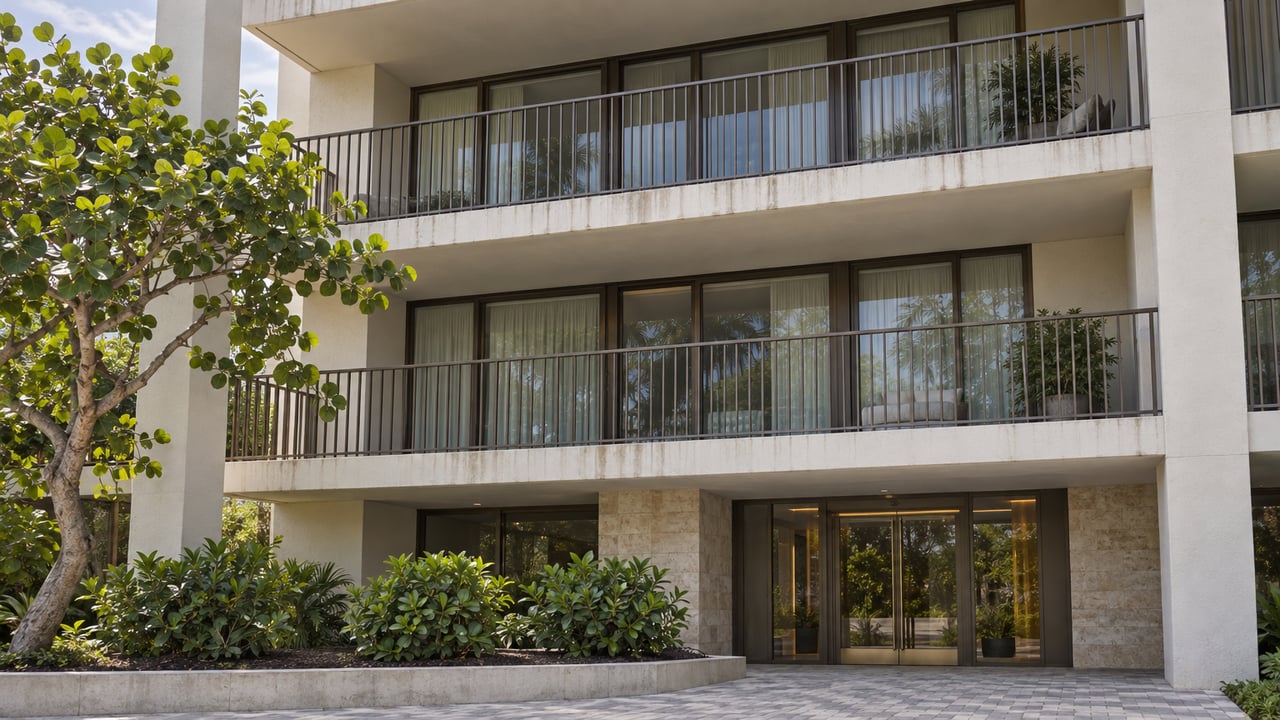
St. Petersburg offers a condo market with a wide range of choices, from older buildings to newer high-rise communities. Downtown planning materials describe the core as high-rise, mixed-use, highly walkable, and multimodal, which helps explain why your condo search here can feel very building-specific instead of neighborhood-specific.
That matters if you are buying from another state. Two condos may look similar online, but the age of the building, the association’s budget, and current inspection status can create very different ownership costs and timelines.
What the Current Market Means for You
In March 2026, Pinellas County recorded 404 closed condo and townhouse sales. The median sale price was $295,000, the average sale price was $596,530, months of supply stood at 8.1, homes took about 58 days to go under contract, and the average path to sale was 95 days. Cash sales made up 55.3% of the market.
For you, that means preparation matters. Even in a market with more supply, strong units can still move quickly, and sellers may favor buyers who have their financing, paperwork, and review process organized from the start.
Start With the Building, Not the Finishes
When you are shopping remotely, the fastest way to rule properties in or out is to focus on the building first. Cabinets, flooring, and staging can change. Building age, reserve funding, and inspection status are much harder to fix.
A useful first question is simple: What year was the certificate of occupancy issued? In Florida, that date matters because milestone inspection timing is tied to the building’s age from the certificate of occupancy.
Florida Condo Rules You Need to Know
Milestone inspections explained
Florida’s milestone inspection law applies to residential condominium and cooperative buildings that are three or more habitable stories tall. The inspection is due when the building reaches 30 years of age, or 25 years if the local enforcement agency requires earlier inspection because of local conditions.
Once the local agency notifies the association, the association must notify owners within 14 days. After the report is received, the inspector-prepared summary must be distributed to owners within 45 days.
If phase two of the inspection identifies structural deterioration, repairs generally must begin within 365 days. For an out-of-state buyer, this can affect both short-term costs and your comfort level with the building’s condition.
SIRS is separate from milestone inspection
A Structural Integrity Reserve Study, often called a SIRS, is not the same thing as a milestone inspection. The SIRS focuses on reserve planning for major structural and building systems, including the roof, structural systems, fireproofing and fire-protection systems, plumbing, electrical systems, waterproofing and exterior painting, windows and exterior doors, and certain other items over $25,000 that affect structural integrity.
For associations existing on or before July 1, 2022, unit-owner-controlled associations were required to complete a SIRS by December 31, 2025. If a milestone inspection is required on or before December 31, 2026, the SIRS may be completed at the same time, with the combined deadline extended to December 31, 2026.
Reserve funding matters more now
This is one of the biggest points for condo buyers today. For budgets adopted on or after December 31, 2024, associations that must obtain a SIRS may not waive or underfund the required reserve items.
If the budget was adopted on or before December 31, 2024, a majority vote could waive or reduce reserves under the transitional rule, but those associations must begin funding according to the reserve study on January 1, 2026. That means a low condo fee does not always mean a lower-cost ownership experience.
Why HOA Fees Only Tell Part of the Story
It is easy to compare listings by monthly dues, but that number alone can be misleading. A lower fee may look attractive until you learn the association is catching up on reserve funding or considering a special assessment.
DBPR notes that if a SIRS shows insufficient reserve funding, an association may need to levy assessments or obtain a loan or line of credit to meet the funding schedule. In plain terms, you want to understand not just what the fee is today, but whether the building’s finances support that number.
Look at these association details together
When comparing condo options, ask for these items as a group:
- Current monthly dues
- Current budget year
- Reserve funding status
- Most recent SIRS, if completed
- Milestone inspection summary, if applicable
- Pending or recent special assessments
- Recent board minutes
- Master insurance coverage and deductibles
Looking at these together gives you a much clearer picture than dues alone.
What Sellers Must Provide in Florida
For a resale condo purchase in Florida, the seller must provide a current copy of key association documents at the seller’s expense. That includes the declaration, articles of incorporation, bylaws and rules, annual financial statement and budget, the milestone inspection summary if applicable, and the most recent SIRS or a statement that none has been completed.
This is one reason document review should happen early. If records are incomplete, outdated, or slow to arrive, your timeline and risk level can change quickly.
Florida law also requires official association records to be made available within 10 working days after a proper written request. Budgets and accounting records must be kept for at least seven years, and associations with 25 or more units must post specified records online or on a mobile app within 30 days of receiving or creating them.
Insurance Questions Out-of-State Buyers Should Ask
Insurance is a major part of condo ownership in Florida, and it deserves close attention before you make an offer. Florida condominium associations must use their best efforts to maintain adequate property insurance for association property and common elements.
As the unit owner, you may also need an HO-6 policy. Florida’s consumer insurance guidance explains that an HO-6 policy covers personal property, certain unit components not insured by the association’s policy, and personal liability. The same guidance notes that condo owners should also carry at least $2,000 of loss-assessment coverage.
If you are comparing buildings, ask what the association’s master policy covers and what deductibles apply. That answer affects your personal insurance planning and your true monthly ownership cost.
Flood Risk in Pinellas County
Flood risk should be part of your condo search from day one, not after you are under contract. Pinellas County states that anywhere it rains, it can flood, and that most homeowners policies do not cover flood.
Flood insurance is mandatory for federally backed financing in Special Flood Hazard Areas such as V, VE, A, and AE. The county also warns that flood insurance can have a 30-day waiting period, so it is not something to leave until the last minute.
For a remote buyer, this is a practical step. Before you get too attached to a building, confirm the property’s flood zone, storm-surge information, and evacuation zone through the county’s address-based mapping tools.
Remote-Buyer Questions That Save Time
If you are trying to limit travel and avoid wasted showings, ask these questions early:
- What year was the certificate of occupancy issued?
- Is the building three or more habitable stories?
- Has the building completed a milestone inspection?
- Is there a current SIRS?
- How are reserves being funded?
- Are any special assessments pending or recently approved?
- What does the master insurance policy cover?
- What deductibles apply?
- What are the rental, pet, parking, guest, and approval rules?
- Is the building in a flood zone or evacuation zone?
- Is there a current budget, recent board minutes, and a resident portal or website for records?
These questions help you eliminate weak options quickly and focus your time on buildings that already look solid on paper.
Common Closing Friction Points
Out-of-state buyers often run into delays not because the unit itself is a problem, but because the association process takes time. Florida allows approved transfer fees for sales or leases when the governing documents require approval, with a maximum charge of $150 per applicant in condos.
Board-meeting notices must generally be posted at least 48 hours in advance, and meetings considering non-emergency special assessments or unit-use rule changes require 14 days of notice. That is why recent minutes and current rules matter. If you cannot attend in person, those records can still tell you a lot about what is happening in the building.
A Smarter Way to Shop From Another State
When you buy remotely, the goal is not to see every available condo. The goal is to create a short list of buildings that already pass your first round of due diligence.
That usually means reviewing documents before booking travel, using virtual tours to compare floor plans and condition, and bringing in the right local specialists when needed. A process-driven approach can save you time, reduce surprises, and help you use your in-person visit for serious contenders only.
In a market like St. Petersburg, organized guidance matters. When you have building records, insurance questions, and association rules to sort through, clear communication and strong follow-through can make the experience feel much more manageable.
If you are planning a move and want a calm, detail-forward partner to help you narrow the field, review the right documents, and stay organized from first tour to closing, connect with Julia Wright.
FAQs
What should out-of-state buyers ask first about a St. Petersburg condo building?
- Ask for the certificate of occupancy year, milestone inspection status, SIRS status, reserve funding, current budget, recent board minutes, and any pending or recent special assessments.
How important are condo reserves in St. Petersburg, Florida?
- Reserve funding is very important because Florida law now requires certain associations to fund required reserve items, and reserve shortfalls may lead to assessments or borrowing.
Does a low HOA fee mean a St. Petersburg condo is a better value?
- Not always. A low fee can look attractive, but it may not reflect reserve needs, insurance costs, or assessment risk.
Do St. Petersburg condo buyers need flood insurance?
- It depends on the property and loan type, but Pinellas County states that flood insurance is mandatory for federally backed financing in Special Flood Hazard Areas and warns that coverage can have a 30-day waiting period.
What insurance should a Florida condo unit owner consider?
- Florida consumer guidance says condo owners may need an HO-6 policy for personal property, certain unit components, and personal liability, and should also carry at least $2,000 of loss-assessment coverage.
What documents must a Florida condo seller provide to a resale buyer?
- Florida law requires the seller to provide key association documents, including governing documents, the annual financial statement and budget, the milestone inspection summary if applicable, and the most recent SIRS or a statement that none has been completed.